
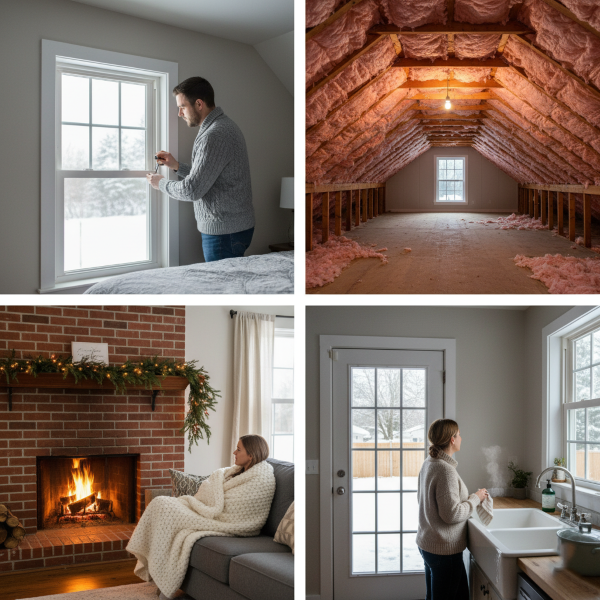
Winterizing Your Home: A Room-by-Room Guide
When it comes to winter preparation, a systematic approach ensures nothing gets overlooked. Let's walk through your home room by room to make sure every space is ready for the cold months ahead.
Basement Winterization
Starting in the basement, check for drafts around basement windows and the rim joist where your foundation meets the wooden frame of your house. These areas are notorious for letting in cold air. Add insulation to exposed pipes, especially those along exterior walls, using foam pipe insulation sleeves. If you have a basement workshop or hobby area, consider using a space heater with an automatic shutoff feature rather than trying to heat the entire basement, which can be costly and inefficient.
Kitchen Preparation
Moving to the kitchen, inspect under your sink for any signs of moisture or small leaks that could freeze in extreme cold. Test your garbage disposal and ensure the area under the sink is adequately insulated if it's on an exterior wall. Check the seal on your refrigerator door and the weatherstripping around any exterior doors in the kitchen, as these are high-traffic areas where warm air can escape.
Bathroom Winterizing
In the bathrooms, test all faucets for proper operation and check for leaks that might freeze during cold snaps. Ensure bathroom exhaust fans are working properly to manage moisture levels, which is especially important in winter when condensation can lead to mold growth. If you have bathrooms above unheated garages or on exterior walls, consider letting faucets drip slightly during extreme cold to prevent frozen pipes.
Room-by-Room Checklist:
Basement:
- Check for drafts
- Insulate exposed pipes
- Consider space heaters
Kitchen:
- Inspect for leaks
- Check door seals
- Insulate exterior walls
Bathrooms:
- Test all faucets
- Check exhaust fans
- Prevent pipe freezing
Living Areas:
- Install thermal curtains
- Check window locks
- Apply window film
Living Areas and Windows
Your living areas require attention to windows, which are major sources of heat loss. Consider installing heavy curtains or thermal drapes that can be closed at night to add an extra layer of insulation. Check that all windows close tightly and lock properly, as the locking mechanism pulls the sash tight against the weatherstripping. For single-pane windows, window insulation film kits can dramatically reduce heat loss and are relatively inexpensive.
Bedroom Optimization
In the bedrooms, reverse ceiling fans to run clockwise on low speed, which pushes warm air down from the ceiling. Ensure that heating vents aren't blocked by furniture or curtains. Consider flannel sheets or a warmer comforter so you can keep the thermostat lower at night, which saves energy while you sleep comfortably.
Attic Insulation
The attic is perhaps the most important space for winter efficiency. Proper attic insulation and ventilation prevent heat from escaping through your roof and help prevent ice dams. Check that attic vents aren't blocked by insulation, and consider adding more insulation if your current levels are below recommended values for your climate zone. A well-insulated attic can make a dramatic difference in your heating costs.
"A systematic room-by-room approach to winterization ensures no area is overlooked and your entire home is protected against the harsh Edmonton winter."
- PI Homes Expert Team
Taking the time to winterize each room properly will pay dividends throughout the cold season. If you need assistance with home improvements or insulation upgrades, PI Homes is here to help make your Edmonton home more comfortable and energy-efficient.